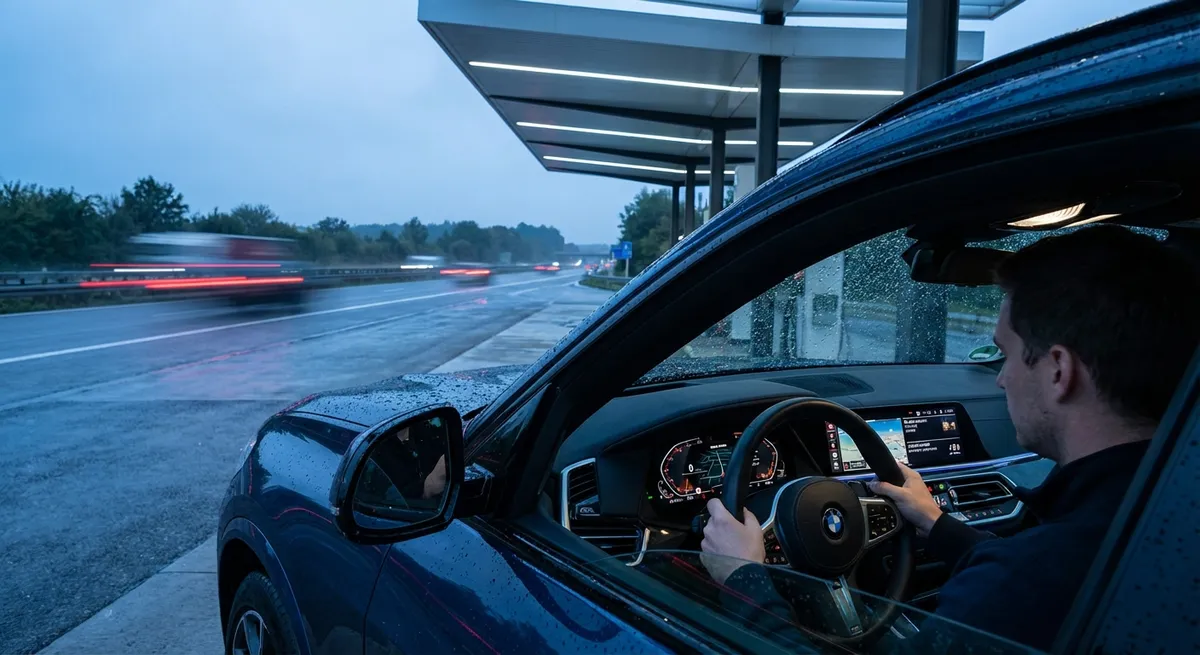
The 2025 BMW X5 arrives in a segment that’s more crowded and more sophisticated than ever, yet it still manages to feel distinctly BMW: poised, powerful, and unapologetically driver-focused. For shoppers cross‑shopping luxury SUVs like the Mercedes‑Benz GLE, Audi Q7, Lexus RX, and Genesis GV80, the X5 offers a blend of performance, refinement, and technology that’s hard to duplicate. This review breaks down the 2025 X5 with a focus on what matters most to enthusiasts and serious buyers: powertrains, chassis sophistication, cabin execution, tech stack, and real‑world ownership considerations.
Powertrain Lineup: Turbo Efficiency Meets Autobahn Pace
The 2025 BMW X5 range continues with a tiered powertrain strategy that feels deliberately engineered to match different buyer profiles, from efficiency‑minded commuters to performance‑centric drivers.
The X5 sDrive40i/xDrive40i models use BMW’s latest generation 3.0‑liter turbocharged inline‑six (B58 engine family), paired with a 48‑volt mild-hybrid system. Output hovers around 375 hp and 383 lb‑ft of torque, with the e‑boost filling in low‑rpm torque to cut turbo lag and smooth start/stop transitions. In real terms, this delivers a 0–60 mph time in the mid‑5‑second range, brisk for a three‑row‑capable family SUV, and more than enough for confident highway merging and overtakes.
For buyers prioritizing electrification without abandoning BMW’s performance ethos, the X5 xDrive50e plug‑in hybrid replaces the earlier 45e. It pairs a 3.0‑liter inline‑six with an electric motor for system output around 483 hp and 516 lb‑ft of torque. More importantly for daily use, the significantly upgraded battery supports an EPA‑estimated all‑electric range of around 40–40+ miles, depending on conditions, enabling many commutes to be done on electricity alone. The seamless interaction between gas and electric power is a standout characteristic; there’s no abrupt handoff or drivetrain shudder under moderate load.
At the top sits the X5 M60i, powered by a 4.4‑liter twin‑turbocharged V8 with 48‑volt mild-hybrid tech. Output is approximately 523 hp and 553 lb‑ft of torque, propelling this SUV to 60 mph in roughly 4.2 seconds—territory that not long ago was reserved for super sedans. While the V8 is intoxicating, particularly with the optional M Sport exhaust, the trade‑off is higher fuel consumption and a heavier nose that slightly tempers the car’s nimbleness compared with the 40i and 50e.
All variants use an 8‑speed ZF automatic transmission that remains one of the benchmarks in the industry. Shifts are quick and intuitive, with well‑calibrated programming that holds gears intelligently in spirited driving and prioritizes tall gearing for relaxed, efficient cruising. Enthusiasts will appreciate the manual shift logic in Sport mode, which will honor chosen gears near redline rather than upshifting prematurely, especially in the M60i.
Chassis Dynamics: Balancing Comfort, Control, and Real-World Usability
Chassis dynamics remain a core differentiator for the X5 in a world where many SUVs now over-index on isolation. BMW leans on a multi‑link rear suspension, double‑wishbone front setup, and extensive use of high‑strength steels and aluminum to keep rigidity high and weight reasonably in check.
The standard suspension is tuned for a firm but controlled ride, with a distinctly Germanic feel over broken pavement. It’s not as floaty as some luxury rivals; instead, you get a taut, tied‑down character that communicates what the front tires are doing without punishing occupants. Buyers seeking more adjustability can spec the Adaptive M Suspension, which brings electronically controlled dampers with Comfort, Sport, and Sport Plus profiles. These settings meaningfully alter the X5’s demeanor: Comfort tolerates expansion joints and imperfect asphalt, while Sport tightens body control for enthusiastic back‑road driving.
Optional two‑axle air suspension further broadens the X5’s dynamic bandwidth. At lower speeds, the system can raise the vehicle for additional ground clearance—useful for rough cottage roads or winter snow—while at highway speeds it lowers the body to reduce drag and improve stability. Combined with the available Integral Active Steering (rear‑wheel steering), the X5 feels much smaller than its dimensions in tight parking structures or urban traffic, yet impressively planted during high‑speed lane changes.
Braking performance is secure and confidence‑inspiring. Larger M Sport brakes, available on higher trims and performance‑oriented packages, deliver repeated high‑speed stops with minimal fade, something enthusiasts will value on twisty mountain descents or occasional track days. Steering, while not as communicative as hydraulic systems from BMW’s past, is precise and progressive, with weight that builds naturally in Sport modes and a pleasantly light feel for low‑speed maneuvers.
Off‑road, the X5 is capable but not specialized. With xDrive all‑wheel drive, air suspension, and appropriate tires, it can handle gravel, light trails, and winter conditions without drama. However, there are no locking differentials, low‑range transfer case, or rock‑crawling aids like in serious off‑road SUVs (e.g., Land Cruiser, Wrangler, or Defender). Buyers seeking rugged, body‑on‑frame durability for frequent off‑pavement adventures should calibrate expectations accordingly.
Interior Execution: Materials, Ergonomics, and Practicality
Inside, the 2025 X5 blends traditional BMW driver‑centric ergonomics with the brand’s ongoing shift toward more minimalist, screen‑driven design. The cabin feels properly premium, with soft‑touch materials across major contact points, genuine leather or high‑grade synthetic upholstery (depending on trim), and available open‑pore wood or aluminum trim that avoids the over‑glossy veneer sometimes seen in competitors.
The driver’s seat offers a wide range of adjustment, including thigh support extension on many trims, making it easy to dial in an ideal driving position regardless of stature. Enthusiasts will appreciate the firm, well‑bolstered seats that hold you in place during aggressive cornering, while long‑distance drivers benefit from available multi‑contour seats with massage and ventilation. Second-row space is generous, with supportive seat cushions and recline functionality, making the X5 a strong candidate for family road trips.
A third row is available, though it’s best viewed as an emergency or occasional‑use solution rather than a full‑time three‑row configuration. Adults can fit in the rearmost seats for short journeys, but legroom and headroom are limited compared with true three‑row SUVs like the BMW X7 or Mercedes‑Benz GLS. Cargo space with the second row up is competitive for the class, and the split tailgate design remains a functional highlight: the lower section acts as a load shelf or seating surface at outdoor events, while also making it easier to load heavy items without them rolling out.
Sound insulation is excellent, with double‑glazed glass on higher trims and careful sealing throughout the cabin. At highway speeds, wind and road noise are impressively muted; the primary soundtrack is whichever powertrain you’ve chosen—and in the case of the M60i, that’s a refined but muscular V8 growl when provoked. For audiophiles, the available Bowers & Wilkins surround sound system delivers a wide soundstage and crisp detail that elevates longer drives.
Small‑item storage is practical rather than flamboyant. There are deep door pockets, a reasonably sized center console bin, clever underfloor storage in the rear cargo area, and cupholders that are heated and cooled on higher trims. USB‑C ports are abundant, and wireless charging is available, though buyers should check compatibility with their specific smartphone models for maximum charging efficiency and placement.
Tech, Infotainment, and Driver Assistance: Where the X5 Feels Most Modern
The 2025 X5 adopts BMW’s Curved Display setup, which merges a 12.3‑inch digital instrument cluster with a 14.9‑inch central touchscreen under a single glass pane. Running BMW Operating System 8.x, the interface is feature‑rich and visually sharp, with snappy responses and crisp graphics. Wireless Apple CarPlay and Android Auto are standard, and the integration is generally seamless, with minimal lag or drop‑outs.
BMW’s latest voice assistant (“Hey BMW”) allows natural language commands for navigation, climate, and media, and can be more convenient than wading through touchscreen menus. That said, some traditionalists may lament the reduction in physical buttons, particularly for climate controls. While temperature and fan speed are easy to access via the screen, the absence of dedicated knobs requires more screen time than in earlier X5 generations, potentially demanding extra attention from the driver.
For navigation, the built‑in BMW maps system pulls real‑time traffic data and supports cloud‑based route calculation. EV and PHEV variants benefit from predictive energy management, which uses route data and topography to optimize battery and engine use, particularly on mixed urban/highway journeys. Over‑the‑air (OTA) software updates keep infotainment and some vehicle systems current without dealer visits, a crucial feature as digital features and security patches evolve during the vehicle’s life.
Driver assistance tech is similarly advanced. The X5 comes standard with forward collision warning, automatic emergency braking, lane departure warning, and blind‑spot monitoring. Available Driving Assistance Professional Package adds adaptive cruise control with stop‑and‑go, lane‑keeping assistance, and traffic jam assist for semi‑automated driving on highways. In practice, these systems work smoothly, maintaining centered positioning and reasonable distance management, though—like all Level 2 systems—they require full driver attention at all times.
Parking tech is robust. Surround‑view cameras with 3D rendering, automated parking assist, and a “reversing assistant” that can memorize and retrace the last several dozen meters of driving (useful in tight alleys or complex driveways) reduce day‑to‑day stress in urban environments. For those frequently towing, the optional trailer assist and integrated hitch camera make connecting and maneuvering trailers more manageable, even for less experienced drivers.
Ownership, Efficiency, and Value: What Buyers Should Weigh Carefully
From an ownership standpoint, the 2025 X5 sits at the intersection of performance luxury and real‑world practicality, but prospective buyers should consider running costs, incentives, and long‑term reliability projections.
Fuel economy in the 40i models is solid for the segment thanks to the mild‑hybrid system and efficient turbo‑six. Expect combined EPA ratings in the low‑ to mid‑20s mpg range, depending on drivetrain and wheel size. The M60i’s V8 trades efficiency for performance, with combined figures in the mid‑teens to around 20 mpg. It’s worth noting that this engine’s performance envelope is far beyond what most daily drivers will use regularly; buyers drawn to the sound and prestige should go in with eyes open about fuel and tire replacement costs.
The xDrive50e plug‑in hybrid is the efficiency standout, especially for owners who can consistently charge at home or work. With around 40+ miles of electric‑only range, many users will see gasoline consumption drop dramatically for local use. In markets with strong EV or PHEV incentives, the 50e’s effective transaction price can become very competitive, especially when factoring in reduced fuel expenditures over several years. However, buyers should also factor in the complexity of the hybrid system and consider extended warranties if planning to keep the vehicle beyond the standard coverage period.
BMW’s warranty coverage typically includes a 4‑year/50,000‑mile basic warranty and a separate corrosion warranty, with additional coverage for hybrid/electric components on the plug‑in models. Many markets also offer included maintenance for a set period, though wear items (like brake pads and tires) may not be fully covered. Given the X5’s weight and performance capability, tires and brakes can wear faster than on more modest SUVs, particularly if driven aggressively or fitted with larger wheel options.
Depreciation historically has been moderate for the X5—better than some mainstream luxury SUVs but not as bulletproof as certain Lexus models. Well‑optioned six‑cylinder models (especially with the right tech and comfort packages) often represent the best balance of resale value and initial purchase cost. Over‑speccing with niche options can drive the MSRP upward without a corresponding increase in resale appeal, so buyers should prioritize features that materially impact day‑to‑day enjoyment: adaptive suspension, upgraded audio, key driver assistance packages, and, for cold climates, robust winter packages.
Lastly, servicing and ownership experience are heavily influenced by dealer network quality. BMW’s global footprint is extensive, but service reputation can vary regionally. Prospective owners should research local dealer ratings, loaner car policies, and service scheduling practices, especially if planning to rely on the X5 as a primary family vehicle with high annual mileage.
Conclusion
The 2025 BMW X5 remains one of the most dynamically competent and technologically sophisticated midsize luxury SUVs on the market. For driving enthusiasts, it offers a rare combination of sharp handling, powerful and refined engines, and a cabin that still feels focused on the person behind the wheel. For families and everyday users, it delivers comfort, safety tech, and usability that make it a credible do‑it‑all solution.
Choosing between the 40i, 50e, and M60i comes down to balancing performance wants against efficiency needs and long‑term running costs. The 40i is arguably the sweet spot for most buyers, while the 50e makes particular sense for those with regular access to charging and an interest in lowering fuel bills. The M60i is the enthusiast’s indulgence, pairing true performance‑SUV capability with everyday practicality.
For shoppers in the luxury SUV segment who still care deeply about how their vehicle feels on a winding road—not just how it looks in the driveway—the 2025 X5 should remain firmly on the shortlist.
Sources
- [BMW USA – 2025 BMW X5 Official Page](https://www.bmwusa.com/vehicles/x-models/x5/sports-activity-vehicle/overview.html) - Official specifications, trims, and feature overviews for the latest X5
- [U.S. Department of Energy – Fueleconomy.gov BMW X5 Listings](https://www.fueleconomy.gov/feg/bymodel/BMW_X5.shtml) - EPA fuel economy data and powertrain details for various X5 models, including plug‑in hybrid variants
- [IIHS – BMW X5 Safety Ratings](https://www.iihs.org/ratings/vehicle/bmw/x5-4-door-suv) - Crash test results and safety equipment information for the current-generation X5
- [Euro NCAP – BMW X5 Test Results](https://www.euroncap.com/en/results/bmw/x5/35125) - European crash safety and active safety evaluation for the X5
- [J.D. Power – BMW X5 Ratings and Owner Reviews](https://www.jdpower.com/cars/2024/bmw/x5) - Reliability scores, owner satisfaction data, and comparative segment insights
Key Takeaway
The most important thing to remember from this article is that this information can change how you think about Reviews.