The 2025 BMW X5 xDrive50e lands in a sweet spot for SUV shoppers who want real performance and real-world efficiency without going fully electric. Sitting between traditional gas-powered models and BMW’s all-electric iX lineup, this plug-in hybrid (PHEV) X5 aims to be a luxury all-rounder: quick, composed, tech-forward, and capable of commuting on electricity alone. This review breaks down how it actually performs in daily use, where it shines on the spec sheet, and what potential buyers should consider before signing a contract.
Powertrain and Performance: Electrified Muscle With Real-World Punch
Under the hood, the 2025 X5 xDrive50e pairs a 3.0-liter turbocharged inline-six (part of BMW’s B58 family) with a synchronous electric motor integrated into the 8-speed Steptronic automatic transmission. Combined output is roughly 483 hp and 516 lb-ft of torque, a significant step up from the previous-generation xDrive45e.
BMW claims 0–60 mph in the mid-4-second range, and real-world testing by early reviewers has shown this is more than just a paper number. The electric motor delivers instant torque off the line, masking turbo lag and giving the X5 a strong, seamless surge in city driving. At highway speeds, the inline-six takes over most of the heavy lifting while the electric motor fills in torque gaps, making passing maneuvers feel confident and effortless.
xDrive all-wheel drive is standard, with a rear-biased setup that helps the X5 feel more like a tall sports wagon than a traditional soft-roader. The standard steel suspension is already well judged, but the available adaptive M suspension or two-axle air suspension sharpens body control and ride comfort, especially on 20–22 inch wheels. Enthusiasts will notice BMW’s classic, well-weighted steering—still more communicative than many rival luxury SUVs—though the X5 remains clearly tuned for composure and refinement over outright sportiness.
For potential buyers, the takeaway is this: the xDrive50e doesn’t just add efficiency; it materially ups the performance game over lower-power gasoline trims while still preserving the calm, quiet demeanor that luxury SUV buyers expect.
Electric Range, Efficiency, and Charging: How It Works Day to Day
The heart of any plug-in hybrid is its battery, and the X5 xDrive50e uses a lithium-ion pack integrated under the floor with a usable capacity of roughly 25–29 kWh (varies slightly by market and test cycle). According to EPA estimates, drivers can expect an all-electric range of around 35–40 miles under mixed driving, with many urban commuters able to complete their weekday trips without using the gasoline engine at all.
In pure EV mode, the X5 can travel at highway speeds without the engine kicking in, making it genuinely usable for daily commuting, school runs, and short errands. BMW’s Hybrid mode automatically blends gas and electric power for efficiency, while Sport mode prioritizes performance and keeps the engine engaged more consistently. A Battery Hold function allows drivers to preserve electric range for later—useful if you want to save silent running for low-emission zones or nighttime neighborhood driving.
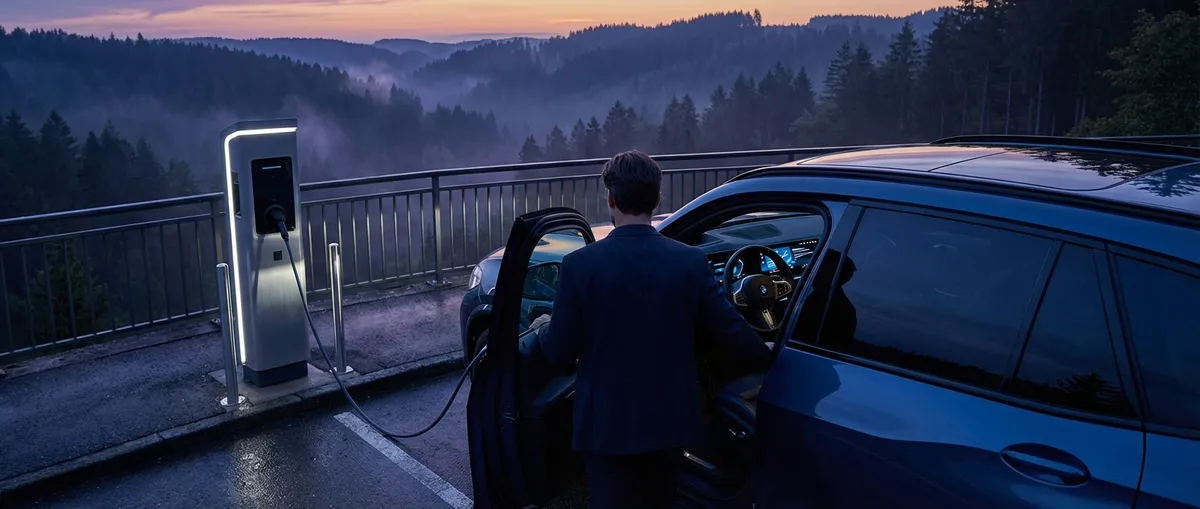
Charging is AC-only; there’s no DC fast-charging capability. On a Level 2 home charger (240 V), expect a full charge in roughly 3–4 hours depending on the onboard charger specification and local power supply. On standard 120 V household outlets, a full charge can take 10+ hours, better suited for overnight top-ups than quick turnarounds.
Fuel economy in hybrid operation varies heavily with usage. Short trips with frequent charging can yield triple-digit MPGe figures. Longer highway journeys where the battery is depleted will see fuel economy fall closer to high-20s mpg, comparable to an efficient six-cylinder luxury SUV but still better than V8 rivals. The key for buyers: your real-world running costs hinge on whether you plug in consistently—treat it like an EV with a backup engine, not just a heavy gas SUV.
Interior, Technology, and Everyday Usability
Inside, the 2025 X5 xDrive50e reflects BMW’s current design language: a driver-focused cockpit anchored by the curved display, combining a 12.3-inch digital gauge cluster and a 14.9-inch central touchscreen under a single glass panel. The latest iDrive 8.x operating system brings an app-like interface, enhanced voice control, and extensive over-the-air update capability, allowing BMW to roll out new features and refinements over time.
Materials are firmly in the premium camp: soft-touch plastics, open-pore wood, metal trim, and optional extended or full Merino leather create an upscale feel. Build quality is solid, with tight panel gaps and minimal creaks even over rough surfaces. Ambient lighting, a panoramic glass roof, and optional features such as glass controls or the Bowers & Wilkins sound system amplify the luxury impression.
Practicality remains a strong suit. The X5 offers ample headroom and legroom in both front and rear rows, with wide-opening doors and comfortable seat contours suited to long trips. The plug-in battery’s underfloor packaging does slightly impact cargo capacity compared with purely gas models, but the load space is still generous for a family SUV—room for luggage, strollers, or sports gear without drama. Split-folding rear seats allow flexible cargo configurations, and the traditional X5 two-piece tailgate (depending on market) makes loading heavy items easier.
Tech enthusiasts will appreciate the breadth of connectivity: Apple CarPlay and Android Auto (typically wireless), integrated navigation with EV-aware route planning, and a robust head-up display. However, the shift of many functions to the touchscreen—climate controls, drive mode selections, and some vehicle settings—means a steeper learning curve for drivers used to more physical buttons. The haptic feedback and voice assistant mitigate this, but potential buyers should spend time in the cabin to ensure they’re comfortable with the interface.
Safety, Driver Assistance, and Long-Term Ownership Considerations
The X5 platform has historically scored well in crash testing, and though 2025-specific ratings may still be pending at the time of writing, prior X5 models have earned top marks from both the IIHS and Euro NCAP. The underlying body structure uses a mix of high-strength steels and aluminum to manage crash forces while keeping weight in check, particularly important given the added mass of the plug-in battery.
Standard safety and driver-assistance features typically include forward collision warning with automatic emergency braking, lane departure warning, blind-spot monitoring, rear cross-traffic alert, and a full suite of airbags. Option packages can add adaptive cruise control with stop-and-go, lane-keeping assist, traffic-jam assist, and advanced parking assistance that can memorize and repeat parking maneuvers. When fully equipped, the X5 xDrive50e offers near hands-free operation in very limited scenarios, though the driver must remain attentive and ready to take control.
From a long-term ownership perspective, the powertrain complexity—blending an internal combustion engine, high-voltage battery, electric motor, and sophisticated electronics—means maintenance profiles differ from purely gas or purely electric competitors. The gasoline engine requires traditional servicing (oil changes, filters, etc.), while the battery and e-motor are largely maintenance-free but require adherence to manufacturer guidelines and software updates.
BMW typically offers a high-voltage battery warranty of 8 years / 80,000–100,000 miles (region dependent), giving buyers some security regarding degradation. As with all PHEVs, maintaining healthy charging habits (avoiding extreme temperatures where possible, not leaving the battery at 0% or 100% for extended periods) can help preserve capacity. Shoppers planning to keep the vehicle long term should also factor in out-of-warranty repair costs—BMW parts and labor tend to be premium-priced—when comparing total cost of ownership with mainstream-branded rivals.
Pricing, Competitors, and Who the X5 xDrive50e Really Suits
Positioned above the base gasoline X5 but below fully electric models in BMW’s broader lineup, the 2025 X5 xDrive50e commands a premium price tag. That premium, however, buys significantly more power than six-cylinder gas variants, a genuine electric driving experience, and the flexibility to run on gasoline when needed—without the charging anxiety of a full EV.
Cross-shopping is intense in this segment. Key rivals include:
- Mercedes-Benz GLE 450e 4MATIC (plug-in hybrid), which offers a similar dual-powertrain philosophy, a lush interior, and a more comfort-biased drive.
- Volvo XC90 Recharge, with a strong safety reputation, Scandinavian design, and competitive EV range, albeit with a less performance-oriented chassis.
- Audi Q7 55 TFSI e (where available), which blends Audi’s Quattro all-wheel drive and calm ride but often trails BMW slightly in outright performance and electric range.
- Lexus RX 450h+ (PHEV), prioritizing reliability and comfort over dynamic sharpness, often with lower operating costs over the long haul.
For buyers, the X5 xDrive50e makes the most sense if:
- You have regular access to home or workplace charging and can use EV mode frequently.
- You value strong acceleration and confident handling but don’t want the compromises of a full-performance SUV (e.g., high fuel consumption, harsher ride).
- You’re not ready—or your driving patterns don’t allow—for a purely electric SUV but want to reduce fuel use and tailpipe emissions.
Shoppers who frequently tow heavy loads, rarely have charging access, or prioritize rock-bottom ownership costs might be better served by a conventional gasoline or non-plug-in hybrid SUV. Similarly, drivers who primarily do long highway trips may gain less advantage from the plug-in capability than city or suburban commuters.
Conclusion
The 2025 BMW X5 xDrive50e is not just a “green” checkbox in BMW’s lineup; it is one of the most compelling versions of the X5 for drivers who want serious performance, real electric range, and true luxury SUV comfort. Its plug-in hybrid system delivers robust acceleration and respectable efficiency, particularly for owners who plug in consistently. The interior tech, build quality, and driver-assistance suite keep it competitive at the top of the segment, while the chassis tuning maintains BMW’s reputation for dynamic poise.
It is not the cheapest or simplest SUV on the market, and buyers must be comfortable with a tech-heavy, software-driven ownership experience. But for enthusiasts and pragmatic luxury buyers alike, the X5 xDrive50e offers an unusually well-rounded package—one that bridges today’s internal combustion world and tomorrow’s electric future without demanding many compromises in the present.
Sources
- BMW USA – 2025 BMW X5 Overview - Official specifications, powertrain details, and feature listings for the current X5 lineup
- U.S. Department of Energy – Fueleconomy.gov Plug-in Hybrid Overview - Technical explanation of how plug-in hybrid systems work and how they impact fuel economy
- IIHS – BMW X5 Crashworthiness Ratings - Safety and crash-test results for recent X5 models
- EPA – Green Vehicle Guide - Information on emissions, MPGe, and environmental impact for electrified vehicles
- Mercedes-Benz USA – GLE 450e 4MATIC SUV - Competitive reference for a key plug-in hybrid rival in the midsize luxury SUV class
Key Takeaway
The most important thing to remember from this article is that this information can change how you think about Reviews.