Choosing an SUV in today’s market isn’t just about size, price, or brand prestige. Under the sheet metal are engineering decisions that will shape how your SUV accelerates, rides, tows, and ages over 150,000+ miles. This guide focuses on technical details that often get glossed over in showrooms but matter a great deal to enthusiasts and serious buyers who want to understand what they’re paying for.
1. Platform and Drivetrain Layout: The SUV’s Core DNA
Before looking at screens, leather, or wheel designs, understand what the SUV is built on. Platform and drivetrain layout determine how it behaves in real-world use: stability at highway speeds, off‑road durability, towing ability, and even crash performance.
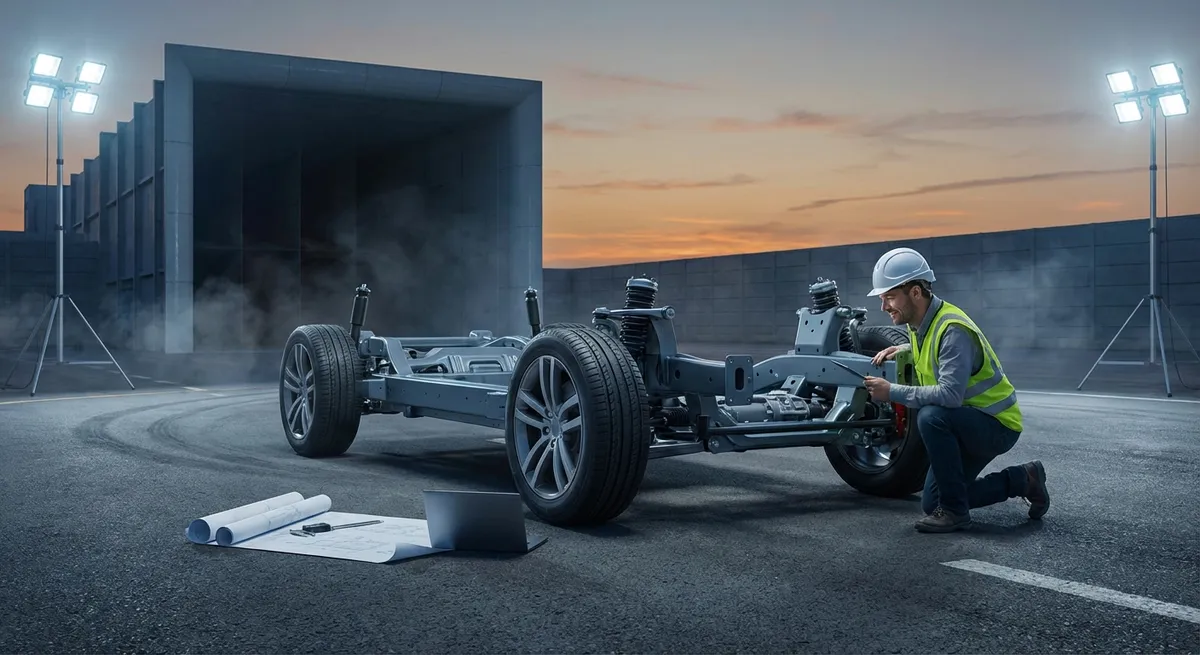
Many compact and midsize SUVs today use a unibody, front‑wheel‑drive‑based platform shared with cars or crossovers. These typically offer better fuel economy, lower weight, and more interior space efficiency. They’re ideal for urban and suburban buyers who prioritize comfort and on‑road dynamics over rock crawling. In contrast, body‑on‑frame SUVs—often derived from pickup trucks—feature a separate frame with the body mounted on top. These tend to provide higher towing ratings, superior durability over rough roads, and easier repair after heavy use, but often with more weight, less agile handling, and less refined ride quality.
Drivetrain layout is just as important. Front‑wheel drive (FWD) with optional all‑wheel drive (AWD) is common in crossovers, offering solid traction for wet or snowy conditions without a serious fuel penalty. Rear‑wheel drive (RWD) layouts, typical in larger SUVs and performance‑oriented models, deliver better weight distribution under load, more stable towing, and more natural steering feel, especially when combined with longitudinal engines. Full‑time AWD and part‑time four‑wheel drive (4WD) systems further differentiate capability. Full‑time systems prioritize seamless grip on‑road, while part‑time 4WD with low range is designed for serious off‑road use and heavy towing.
When shopping, look carefully at whether the SUV is FWD‑based or RWD‑based, and whether it’s unibody or body‑on‑frame. If you frequently tow, drive unpaved routes, or keep vehicles for a decade or more, a RWD‑based SUV with a more robust platform may be worth the extra cost and fuel. If your use is mostly daily commuting and light family duty, a unibody, FWD‑based crossover can offer a better blend of comfort and efficiency.
2. Powertrain Choices Beyond the Brochure Numbers
Published horsepower and torque figures only tell part of the story. How quickly and smoothly an SUV responds to your right foot depends on the power curve, transmission pairing, and overall vehicle weight. Enthusiasts and discerning buyers should look beyond “0–60 mph” headlines and ask where the engine makes its torque, how the transmission behaves, and how the powertrain is managed thermally.
Turbocharged four‑cylinders are now common in midsize SUVs because they deliver strong low‑rpm torque and decent fuel economy in lab tests. The trade‑off can be more complex thermal management, potential for higher under‑hood temperatures, and greater sensitivity to maintenance and fuel quality. Naturally aspirated V6 engines, where still offered, often provide smoother power delivery and less turbo lag but usually with worse fuel economy and potentially higher emissions. Modern hybrids and plug‑in hybrids (PHEVs) combine internal combustion with electric assistance; their real‑world benefit depends heavily on usage patterns and charging access, but they can provide excellent low‑speed torque and quiet operation in traffic.
Transmission type is equally critical. Traditional torque‑converter automatics with 8–10 speeds dominate in larger SUVs and can offer smooth, efficient operation if well calibrated. Continuously variable transmissions (CVTs) appear mainly in smaller crossovers; they can keep the engine at its most efficient RPM but sometimes feel disconnected to drivers who are used to stepped gear changes. Dual‑clutch transmissions (DCTs) can shift very quickly and efficiently, but at low speeds they may feel less smooth than conventional automatics, especially in stop‑and‑go traffic or on inclines.
Pay attention to engine cooling capacity and transmission cooling if you plan to tow, drive in hot climates, or take frequent highway trips with a full load. Factory‑installed tow packages often include upgraded radiators, transmission coolers, alternators, and even different rear axle ratios. These details don’t show up in a basic spec comparison but make a significant difference in longevity and performance under load. Ask specifically about tow package content, recommended fuel type (regular vs. premium), and oil change intervals under severe service. A powertrain that looks excellent on paper but strains in real‑world towing or high‑heat use can become an expensive regret.
3. Suspension, Steering, and Tires: How the SUV Actually Feels
Ride and handling are controlled by a trio of interacting systems: suspension design, steering hardware and tuning, and tire choice. For many buyers, this matters more than raw power. A well‑sorted chassis can make a moderate‑power SUV feel composed, confident, and relaxing to drive, while an over‑styled but poorly tuned chassis may feel unsettled and tiring.
Start with suspension layout. Most modern SUVs use MacPherson struts in front and either a torsion‑beam or multi‑link design in the rear. Multi‑link rears generally offer better wheel control and ride comfort, especially when loaded or during aggressive cornering. Higher‑end models may add adaptive dampers (electronically controlled shocks that vary stiffness), air springs (for adjustable ride height and load leveling), or active anti‑roll systems that reduce body roll in corners while preserving comfort in a straight line. While these technologies improve refinement and handling, they also add complexity and potential long‑term repair cost.
Steering feel is affected by both hardware and software. Electric power steering (EPS) has replaced hydraulic systems in most SUVs, enabling driver‑assist features and efficiency gains, but calibration quality varies widely. During a test drive, note on‑center stability at highway speed (does the SUV wander or require constant correction?) and response to small steering inputs. A well‑tuned system will feel linear and predictable, not overly light at speed or artificially heavy in sport modes.
Tires are your only contact with the road but are often overlooked. Factory tires reflect compromises between cost, fuel economy, noise, and grip. All‑season touring tires typically offer quieter, more comfortable operation and better efficiency, while all‑terrain or off‑road‑oriented tires improve traction on dirt, gravel, and snow at the expense of noise and rolling resistance. Check the load and speed ratings on the sidewall to ensure they match your actual use, especially if you plan to tow or frequently carry a full complement of passengers and cargo. Also consider wheel size: large‑diameter wheels with low‑profile tires may look good but can degrade ride quality and increase replacement cost.
When evaluating an SUV, drive it on a variety of roads: low‑speed city streets, broken pavement, and highway segments with curves. Pay attention to body roll, brake dive, and how the SUV reacts to sudden lane changes. If possible, test the same model on different trims—suspension tuning can change noticeably with wheel size, tire type, and optional suspension packages. An “appearance” package that adds larger wheels but no suspension retuning can meaningfully worsen ride comfort without adding real performance.
4. Real Towing and Payload Capability, Not Just the Headline Rating
Towing capacity is one of the most misunderstood numbers in SUV marketing. The big figure in ads—often highlighted as the maximum tow rating—is typically a best‑case scenario based on a lightly equipped model, with a single driver and no cargo. For buyers who genuinely plan to tow campers, boats, or trailers, it’s critical to decode the full towing and payload picture, not just rely on top‑line numbers.
Every SUV has a Gross Vehicle Weight Rating (GVWR) and a Gross Combined Weight Rating (GCWR). GVWR is the maximum allowed weight of the vehicle plus people, cargo, and tongue weight of the trailer. GCWR is the maximum combined weight of the SUV, all occupants and cargo, and the trailer. The difference between curb weight and GVWR determines how much payload you can actually carry. If your SUV is heavily optioned with a panoramic roof, large wheels, and extra features, its curb weight rises, leaving less room under the GVWR for passengers, gear, and tongue weight.
Tongue weight—typically 10–15% of the trailer’s total weight for conventional trailers—counts against your payload. For instance, if an SUV has 1,200 pounds of payload capacity and you have a trailer with 600 pounds of tongue weight, you have only 600 pounds remaining for passengers and cargo. Exceeding payload can overstress suspension, brakes, and tires, and may compromise safety and legality. Additionally, some configurations require a weight‑distributing hitch at certain trailer weights; manufacturers often specify this in their towing guides.
Look for factory tow packages that include a hitch receiver integrated into the frame, a wiring harness (4‑pin, 7‑pin, or both), upgraded cooling, and possibly different final drive gearing. Check whether the SUV has trailer sway control integrated into its stability‑control system—a particularly useful feature for less experienced towers. Also, verify what the owner’s manual says about transmission gear selection and speed limits when towing, as heat management is critical under sustained load.
If towing is a significant use case, ask the dealer to provide the actual door‑jamb sticker for the specific vehicle you’re considering—it often lists exact payload capacity and sometimes specific axle ratios. Online “build and price” tools and generic brochures may not reflect the as‑built numbers for your VIN. Matching real‑world use (family size, gear, trailer) to actual payload and towing figures is one of the most technically important steps for avoiding an under‑spec’d SUV.
5. Safety Systems, Structural Integrity, and Tech That Actually Matters
Modern SUVs come loaded with technology, not all of it equally valuable. From a serious buyer’s perspective, safety structure, crash‑test performance, and driver‑assist systems deserve priority over badge‑driven features like ambient lighting or bigger infotainment screens. The key is distinguishing between foundational safety and convenience or “nice‑to‑have” tech.
Start with crash ratings. Independent organizations like the Insurance Institute for Highway Safety (IIHS) and the National Highway Traffic Safety Administration (NHTSA) conduct structured tests that go beyond basic regulatory requirements. Look not just at overall ratings, but at specific tests like small‑overlap front crash, side‑impact performance, and roof strength. SUVs with strong performance across these categories generally offer better protection in a broad range of real‑world accidents. Pay attention to headlight ratings as well; many newer models offer advanced LED units, but not all headlights are created equal in terms of beam pattern and glare control.
Advanced driver‑assist systems (ADAS) can reduce crash risk when used properly. Key functions to prioritize include automatic emergency braking (AEB) with pedestrian and cyclist detection, lane‑keeping assistance or lane‑departure warning, blind‑spot monitoring with rear cross‑traffic alert, and adaptive cruise control with stop‑and‑go capability. These systems rely on radar, cameras, or a combination, and their effectiveness varies between automakers. On a test drive, evaluate how smoothly adaptive cruise modulates speed, whether lane‑keeping feels natural or intrusive, and how reliably blind‑spot systems detect passing vehicles.
At the structural level, examine whether the SUV offers features like multiple load paths in the front structure, reinforced occupant cell construction, and battery protection strategies in hybrid or EV variants. Manufacturers sometimes publish technical overviews or safety whitepapers that describe these engineering choices. For off‑road‑oriented SUVs, consider underbody protection like skid plates for the engine, transmission, and fuel tank or battery pack, especially if you’ll frequently traverse unpaved or rocky roads.
Finally, consider long‑term tech support. Infotainment and connectivity are increasingly integrated with essential functions, so over‑the‑air update capability and a clear software support plan matter. Check compatibility with Android Auto and Apple CarPlay, availability of physical controls for critical functions (climate, defrost, volume), and how fast and intuitive the interface feels. A well‑designed cockpit prioritizes clear visibility, logical control placement, and minimal distraction while driving. These ergonomics have as much real‑world safety impact as the latest lidar‑enabled feature set.
Conclusion
Choosing an SUV today means looking well beyond surface impressions. Platform and drivetrain layout define the SUV’s core character; powertrain and transmission pairing determine how it responds in daily use; suspension, steering, and tires shape every mile of the driving experience; towing and payload realities protect you from overloading and premature wear; and safety engineering plus well‑thought‑out tech decide how well the SUV protects you and your passengers over its life.
If you approach your purchase as an evaluation of engineering trade‑offs rather than just a trim‑level comparison, you’ll be far more likely to end up with an SUV that matches your expectations in performance, comfort, capability, and longevity. Use this blueprint as a checklist during research and test drives, and you’ll separate marketing gloss from the mechanical realities that truly matter.
Sources
- [IIHS – Ratings for SUVs](https://www.iihs.org/ratings/by-vehicle-category/suv) - Crash test results and safety evaluations across SUV segments
- [NHTSA – Vehicle Ratings](https://www.nhtsa.gov/ratings) - Official U.S. government crash-test ratings and safety information
- [U.S. Department of Energy – Fuel Economy Guide](https://www.fueleconomy.gov/feg/findacar.shtml) - Detailed fuel economy and powertrain data for specific SUV models
- [SAE International – Towing and Payload Fundamentals](https://www.sae.org/blog/towing-terms) - Technical explanation of towing terminology, GVWR, GCWR, and payload
- [Consumer Reports – Guide to Advanced Safety Systems](https://www.consumerreports.org/cars/car-safety/guide-to-advanced-driver-assist-systems-a6550786301/) - Overview and comparison of modern driver-assistance technologies
Key Takeaway
The most important thing to remember from this article is that this information can change how you think about Buying Guide.