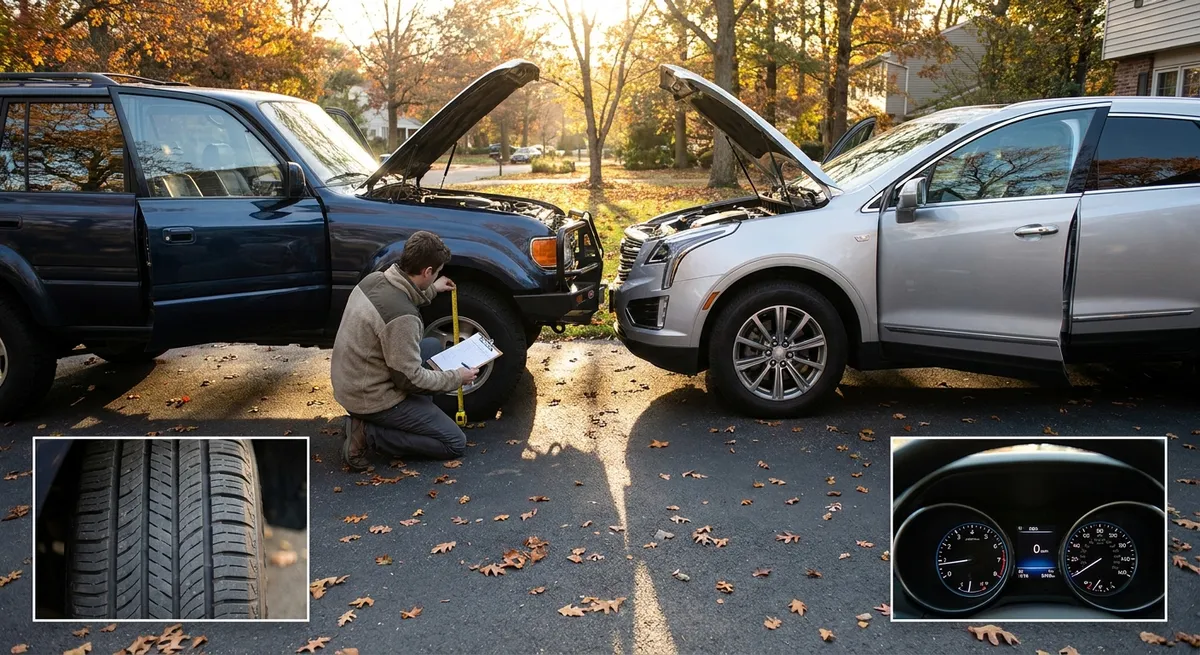
Shopping between two (or three) SUVs that look similar on paper is where many buyers get stuck. Brochures compress complex engineering into a few marketing buzzwords, while real-world ownership hinges on how those details translate to daily driving, long-term costs, and resale value.
This comparison framework is designed for enthusiasts and serious shoppers who want to go beyond “which one has more features?” and instead understand why one SUV may be the smarter choice for their priorities. Rather than focusing on specific models, we’ll walk through five technical and practical comparison points you can apply to any two SUVs on your shortlist.
1. Platform and Chassis: The Hidden Architecture That Changes Everything
Before comparing features, understand what’s underneath. The vehicle platform and chassis layout dictate driving character, safety behavior, interior packaging, and future upgrade potential.
Most modern SUVs fall into two broad architectural camps:
- Unibody crossovers (car-like construction)
- Built on a car or dedicated crossover platform, where body and frame are integrated.
- Typically lighter, more rigid in torsion, and more efficient.
- Better ride comfort and handling precision, especially in urban and highway use.
- Examples: compact and midsize crossovers, most electric SUVs.
- Body-on-frame SUVs (truck-like construction)
- Body is mounted to a separate ladder frame.
- Superior for towing heavy loads and serious off-road use due to robust frame and higher ground clearance.
- Typically heavier, with more body roll and a less refined ride on pavement.
- Examples: many full-size SUVs and some off-road-oriented midsize models.
When comparing two SUVs:
- Check the platform origin
- Is it derived from a passenger car, a pickup, or a dedicated EV skateboard?
- EV platforms with flat battery packs often have a low center of gravity but high curb weight; this can yield excellent stability but demands strong brakes and cooling.
- Evaluate structural details that affect refinement
- Look for multi-link rear suspensions versus torsion beams—multi-link setups generally improve ride comfort and cornering composure.
- Higher use of high-strength or ultra-high-strength steel (or aluminum subframes) can increase rigidity and crash performance without massive weight penalties.
- Practical takeaway:
If your driving is 90% paved roads with the occasional dirt road, a lighter, unibody-based SUV with a sophisticated rear suspension will likely feel more premium day to day than a heavier, truck-based rival—even if the latter has a more imposing spec sheet.
2. Powertrain Character: Beyond Peak Horsepower Numbers
Many buyers fixate on peak horsepower, but how the powertrain delivers torque across the rev range often matters more in real driving. Comparing two SUVs’ engines and transmissions requires looking at several key technical aspects:
Torque Curve and Power Delivery
- Peak torque vs. usable torque
- Turbocharged engines often deliver peak torque at lower rpm, which feels effortless around town and when merging.
- Naturally aspirated engines may have smoother, more linear response but less low-end punch.
- Compare dyno-like data when available
- Manufacturer charts (or independent tests) that show torque vs. rpm curves can reveal whether an engine is “peaky” or elastic.
- A broader, flatter torque plateau usually translates to less downshifting and easier highway passing.
Transmission Type and Tuning
- Traditional torque-converter automatic (6–10 speeds)
- Generally smooth, predictable, and durable.
- More gears can keep the engine in an efficient zone, but excessive shifting can feel busy if tuning is poor.
- Dual-clutch transmissions (DCTs)
- Fast gear changes and more direct feel, popular in performance-oriented SUVs.
- Can be jerky at low speeds if calibration isn’t sorted; not everyone loves them in stop-and-go traffic.
- Continuously variable transmissions (CVTs)
- Efficient and smooth when well implemented, especially with smaller engines or hybrids.
- Some drivers dislike the “rubber band” feel if the programming mimics constant high rpm.
- Hybrid and plug-in hybrid systems
- Evaluate combined system output and how seamlessly the electric motor blends with the combustion engine.
- Check whether the system is parallel (motor assists engine) or series/series-parallel (motor can drive wheels independently); this impacts efficiency and driving feel.
Real-World Comparison Tips
- Compare 0–60 mph and 30–50 mph or 50–70 mph times if independent tests are available. The latter midrange metrics often reflect real-world performance better than the headline sprint.
- Look at towing capacity and GVWR (Gross Vehicle Weight Rating) if you’ll haul trailers or heavy cargo; two SUVs with similar power may have very different cooling, suspension, and frame robustness.
- For electrified powertrains, compare battery capacity (kWh), usable capacity if known, and motor output distribution (front, rear, or dual).
3. Ride, Handling, and NVH: How the SUV Feels Over 50,000 Miles
Ride quality, handling balance, and noise-vibration-harshness (NVH) are where spec sheets rarely tell the whole story—but there are technical indicators you can use to compare two SUVs long before a test drive.
Suspension Hardware and Configuration
- MacPherson strut vs. double wishbone front
- Struts are compact and cheaper; widely used and perfectly adequate when tuned well.
- Double wishbone fronts can offer better camber control and road holding, often found in premium or performance-oriented SUVs.
- Rear suspension: torsion beam vs. multi-link
- Torsion beams save space and cost but can compromise ride and handling sophistication.
- Multi-link rear axles better isolate bumps and allow more precise wheel control.
- Available adaptive features
- Adaptive dampers: Adjust stiffness in real time, allowing a softer ride in comfort mode and tighter control in sport.
- Air suspension: Can vary ride height for aero efficiency, access height, or off-road clearance.
- Active anti-roll bars: Reduce roll in corners while maintaining compliance over single-wheel bumps.
When comparing, note not only the existence of these systems, but how frequently they’re praised or criticized in independent reviews for consistency, reliability, and tuning quality.
NVH and Cabin Isolation
- Construction details
- Look for laminated (acoustic) front side glass, extensive door seals, and hood/underbody insulation.
- Check for active noise cancellation systems and how effectively they mask engine and road noise.
- Tire selection and wheel size
- Larger wheels with low-profile tires may look aggressive but usually transmit more impact harshness and road noise.
- Two SUVs with similar suspensions can feel very different simply due to tire compound and wheel diameter.
Real-World Comparison Tips
- Seek independent road tests that measure cabin noise levels in dB at highway speeds. Even a 2–3 dB difference is noticeable.
- Compare curb weight and weight distribution; a more balanced front/rear ratio often correlates with more neutral handling.
- For off-pavement use, compare approach, departure, and breakover angles, plus suspension articulation and standard vs. optional off-road packages.
4. Interior Ergonomics, Tech Stack, and Usability Over Time
Shoppers often compare interior photos and feature lists, but the layout and long-term usability of the cockpit can matter more than pure screen size.
Driving Position and Control Layout
- Seat geometry and adjustment range
- Compare seat travel (fore-aft), height adjustment, thigh support, and lumbar adjustability—especially if drivers of different sizes will share the SUV.
- Sportier SUVs may offer more lateral bolstering but can be less forgiving on longer drives if they’re too firm.
- Visibility and control reach
- A low cowl and narrow A-pillars improve forward visibility, while large mirrors and rear quarter glass help with lane changes and parking.
- Evaluate whether crucial controls (drive mode selector, climate controls, volume) are physical or buried in touchscreen menus.
Infotainment and Software Ecosystem
- Operating system and update strategy
- Check if the SUV supports over-the-air (OTA) updates for infotainment and, ideally, powertrain and driver-assistance systems. OTA capability can keep features current for years.
- Evaluate responsiveness (processor speed), boot time, and whether the interface supports user profiles and cloud connectivity.
- Smartphone integration and audio
- Confirm wireless vs. wired Android Auto and Apple CarPlay.
- Compare the number and type of USB ports (USB-A vs. USB-C), power outlets, and charging pads.
- Branded audio systems vary widely in real performance; independent audio measurements and owner feedback are helpful.
Cabin Space and Utility Metrics
- Key measurements
- Legroom, headroom, and shoulder room in both rows (and third row, if applicable).
- Cargo volume behind each row, with seats up and folded—look at both SAE numbers and real-world luggage tests.
- Functional details
- 40/20/40 or 60/40 split seats, sliding and reclining second row, fold-flat load floor, and integrated tie-downs or rails.
- Power tailgate speed and height adjustability if you have a low garage or frequently load tall items.
When comparing two SUVs, favor the one whose interior layout aligns with your daily routine—commuting, child seats, pets, sports gear—over the one with the flashier spec sheet. A more intuitive control layout and better packaging will feel “right” every single day.
5. Safety Systems, Ownership Costs, and Long-Term Value
Two SUVs can look evenly matched until you examine active safety tech, repair costs, and depreciation trajectories. These factors greatly influence the real cost of ownership and peace of mind.
Active and Passive Safety
- Crash test ratings
- Compare results from the IIHS and NHTSA where available. Look beyond overall ratings to specific tests like small overlap frontal, side-impact, roof strength, and head restraint performance.
- Pay attention to headlight ratings; “Acceptable” or “Good” headlights can make a real difference in night driving safety.
- Driver assistance systems
- Evaluate the availability and standardization of:
- Automatic emergency braking (with pedestrian and cyclist detection)
- Adaptive cruise control with stop-and-go
- Lane keeping assist or lane centering
- Blind-spot monitoring and rear cross-traffic alert
- 360-degree camera systems and parking assist
- Compare how these systems are tuned: Are they smooth and confidence-inspiring, or overly intrusive? Independent test drives and owner reviews are valuable here.
Reliability, Maintenance, and Repair Costs
- Powertrain complexity vs. reliability data
- Advanced systems (turbocharging, plug-in hybrids, air suspension) bring benefits but can add long-term complexity.
- Check brand and model reliability ratings from independent organizations, and note problem areas like high-pressure fuel systems, DCT behavior, or battery management issues.
- Scheduled maintenance and consumables
- Compare service intervals, required fluids (e.g., synthetic-only oils, specialized transmission fluids), and recommended services.
- Tire size and type significantly affect cost; large, performance-oriented tires can be much more expensive to replace.
- Insurance and depreciation
- Obtain insurance quotes for both SUVs with the same coverage; repair cost and theft rates influence premiums.
- Review historical resale patterns for the brand and segment—certain brands and models retain value better due to reputation, demand, and perceived durability.
Total Cost of Ownership (TCO) Perspective
When two SUVs are neck and neck on features and performance, TCO often becomes the tiebreaker. Over a 5–10 year span, differences in fuel or electricity consumption, maintenance, insurance, and resale can easily outweigh a small price delta at purchase.
- For combustion SUVs, compare EPA combined fuel economy and real-world owner-reported figures.
- For EVs and plug-in hybrids, look at EPA-rated range, MPGe, and charging speed (peak kW and curve behavior)—time is a cost, too.
- Factor in any federal, state, or local incentives for electrified models and how long you realistically plan to keep the vehicle.
Conclusion
Comparing SUVs effectively means looking past headline specs to understand the underlying architecture, powertrain behavior, ride and NVH tuning, cabin ergonomics, and long-term ownership profile. Instead of asking “Which SUV is better?”, frame the decision as “Which SUV’s engineering and compromises best match how I will actually use it for the next 5–10 years?”
By working through this five-point framework—platform and chassis, powertrain character, ride and NVH, interior ergonomics and tech, and safety plus total cost of ownership—you can systematically evaluate two or three contenders and reach a decision grounded in both technical insight and real-world practicality.
Sources
- [Insurance Institute for Highway Safety (IIHS) – Ratings & Vehicle Safety](https://www.iihs.org/ratings) - Provides detailed crash test results, headlight evaluations, and safety technology information for SUVs and other vehicles.
- [NHTSA – 5-Star Safety Ratings](https://www.nhtsa.gov/ratings) - Official U.S. government crash test data and safety defect information, useful for comparing passive safety between SUV models.
- [U.S. Department of Energy – Fuel Economy Guide](https://www.fueleconomy.gov/feg/findacar.shtml) - Comprehensive database of EPA fuel economy ratings, including hybrids and EVs, to compare real-world efficiency and operating costs.
- [Consumer Reports – Guide to Car Reliability & Owner Satisfaction](https://www.consumerreports.org/cars-guide-to-car-reliability-owners-satisfaction/) - Aggregated reliability data and owner feedback on long-term satisfaction, helpful for evaluating durability and repair trends across SUV brands.
- [Edmunds – How We Test Cars](https://www.edmunds.com/car-reviews/how-edmunds-tests-cars.html) - Explains independent testing methods for performance, comfort, and noise levels, giving context to road test comparisons between SUVs.
Key Takeaway
The most important thing to remember from this article is that this information can change how you think about Comparisons.