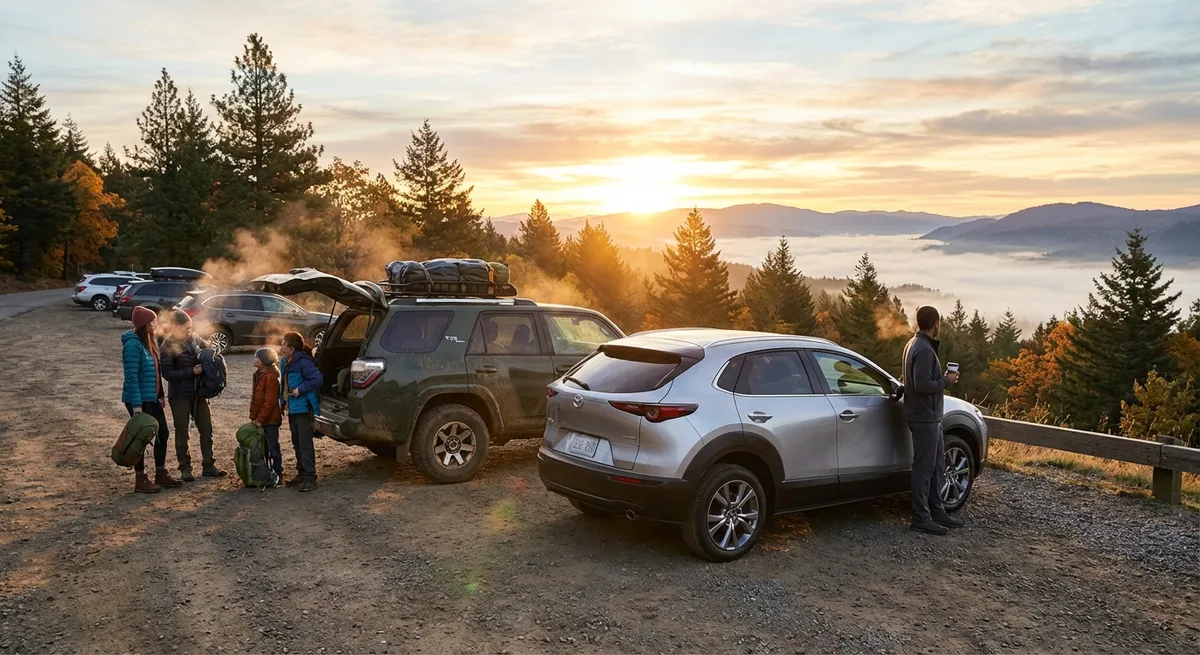
Choosing an SUV isn’t just about size, style, or brand prestige—it’s about how the vehicle fits into the rhythm of your daily life. The same model that feels perfect for city commuting can feel underpowered or uncomfortable on a 500‑mile road trip, and a highway champion might be overkill (and overconsuming fuel) for short urban hops.
This comparison framework looks past marketing labels like “compact,” “midsize,” or “three-row” and instead contrasts SUVs by real‑world use case: school runs, office commutes, weekend adventures, and long‑distance touring. We’ll break down five critical comparison angles that enthusiasts and serious shoppers should examine before signing a contract.
1. Powertrain Character: Stop‑and‑Go Efficiency vs. Highway Stamina
When comparing SUVs, many buyers focus on peak horsepower, but the more telling question is where in the rev range that power is delivered and how that matches your typical driving pattern.
In dense urban driving, a powertrain with strong low‑end torque and responsive throttle mapping makes the vehicle feel agile between stoplights, roundabouts, and tight gaps in traffic. Turbocharged four‑cylinders and hybrid systems often shine here. Turbos can deliver peak torque as low as 1,500–2,000 rpm, while full hybrids use electric motors to provide instant torque off the line and recapture energy through regenerative braking. This makes hybrids particularly compelling if most of your time is spent under 40 mph with frequent stops.
On the highway, the priorities shift. A naturally aspirated V6 or a thoughtfully tuned turbocharged engine that delivers linear power and relaxed cruising at 70–80 mph will feel more refined on long trips. Look at gear ratios and engine rpm at cruise: an engine spinning at 1,800–2,200 rpm in top gear will usually be quieter and more efficient than one hovering around 2,800–3,200 rpm at the same speed. This is where multi‑speed automatics (8‑, 9‑, or 10‑speed) or efficient CVT tuning can materially change the long‑distance character of an SUV.
Comparisons should also consider how SUVs handle load. If you regularly travel with four adults and luggage, an engine that feels “fine” with one or two passengers may feel strained under a full cabin. Pay attention to payload ratings and how close your typical use comes to those limits. Likewise, if you tow even modestly (1,500–3,500 lbs), compare towing capacities and cooling packages, not just raw horsepower. An SUV that maintains its composure and transmission temperatures while towing at highway speeds will feel entirely different from one constantly hunting for gears on mild grades.
Finally, consider refueling infrastructure: if you’re evaluating plug‑in hybrid SUVs (PHEVs), their advantage is most pronounced on daily drives within their electric‑only range. However, once the battery is depleted on long trips, efficiency often drops closer to a traditional gasoline SUV. For road‑trip‑heavy lifestyles, that trade‑off versus a high‑efficiency conventional hybrid or diesel becomes a key comparison point.
2. Ride and Handling: City Agility vs. Long‑Trip Comfort
Chassis tuning is where one SUV can feel nimble and connected while another the same size feels heavy or vague. The right setup depends heavily on whether you’re threading through city streets or spending hours on interstates.
For urban and suburban driving, shorter wheelbases and tighter turning circles are major advantages. Compare turning diameter specs when cross‑shopping—on a narrow street or in a crowded parking garage, a difference of just 1–2 feet can determine whether a U‑turn is possible without backing up. Steering ratios also matter: quicker ratios (fewer turns lock‑to‑lock) can make the SUV feel more responsive around town but may feel a bit nervous to some drivers at high speed if paired with light steering effort.
Suspension tuning is a classic trade‑off. Firmer suspensions with less body roll give more confident cornering and better feedback on winding roads, something enthusiasts tend to appreciate. But for long‑distance driving, a more compliant setup that soaks up expansion joints and minor imperfections can dramatically reduce fatigue. The sweet spot depends on your favorite roads: if you regularly drive on worn or patched freeways, what feels “sporty” during a 10‑minute test drive may turn into a tiring, jittery experience during a three‑hour stint.
Wheel and tire choices play a huge role here. Larger wheels (20–22 inches) with low‑profile tires usually look great and sharpen handling response, but they transmit more impacts into the cabin and can be more vulnerable to pothole damage. For mixed use with a long‑distance bias, a mid‑size wheel (17–19 inches) with slightly taller sidewalls often offers a better balance of comfort, grip, and durability. If you’re comparing trims within the same model, drive the specific wheel/tire combination you plan to buy—ride quality can differ substantially.
Also evaluate noise, vibration, and harshness (NVH). Urban drivers may focus on how the SUV deals with sharp, low‑speed impacts and rough patches, while highway travelers will notice wind and tire noise more. Pay attention to how well the SUV isolates you from crosswinds, how stable it feels in truck turbulence, and how much road roar enters the cabin on coarse asphalt. Two SUVs with similar price tags can feel radically different after an hour at 75 mph.
3. Interior Packaging: Short Errands vs. All‑Day Seating and Cargo
Cabin design is where the “daily driver vs. long‑haul companion” comparison becomes especially personal. On paper, many SUVs look similar; real differences emerge when you factor in seating geometry, cargo flexibility, and long‑term comfort.
For short urban trips, easy ingress/egress and high seating positions often matter more than plush cushioning. Compare door opening size, sill height, and how many movements it takes to install a child seat or fold a row of seats. Flat‑folding second and third rows, low load floors, and wide tailgate openings make grocery runs or quick errands far easier. Pay attention to latch placements, seatback levers accessible from the cargo area, and how heavy the tailgate feels if it’s not power‑assisted.
On longer journeys, seat ergonomics and adjustability become vital. Look for multi‑way power adjustment (including lumbar support), tilt and telescoping steering wheels with a wide adjustment range, and sufficient thigh support—tall drivers may prefer longer seat cushions or extendable thigh bolsters to reduce fatigue. If comparing three‑row SUVs, scrutinize the third row’s actual adult usability: seat height, knee room, toe room under the second row, and headroom all matter. A spec sheet might say “seven passengers,” but some third rows are effectively for children only, especially beyond an hour.
Climate control is another key differentiator. Dual‑ or tri‑zone automatic climate systems significantly improve comfort when multiple occupants have different temperature preferences. Rear vents (ideally in both the center console and ceiling or B‑pillars) are highly desirable if you carry rear passengers often. On long trips, ventilated front seats and heated rear seats move from “nice to have” to “worth paying for,” especially in extreme climates.
Cargo area design reveals how thoughtfully an SUV has been engineered for real use. Compare the presence of tie‑down points, under‑floor storage, 12‑volt outlets, and, in some models, sliding rear seats that can trade legroom for cargo space. If you use strollers, sports gear, or musical instruments, physically test fit them. A few extra inches in cargo length or height can determine whether items fit diagonally with the second row up or require folding seats.
Finally, don’t overlook material durability. In a city car, lighter‑colored, soft‑touch surfaces may hold up fine. For road‑trip or adventure‑oriented duty, stain‑resistant fabrics, rubberized mat options, and durable seat upholstery (including high‑quality synthetics) can age better under heavy use than delicate leather.
4. Technology and Driver Assistance: Urban Safety Nets vs. Highway Guardians
The same driver assistance suite can feel very different depending on where and how you drive. Comparing SUVs through this lens means going beyond an options checklist and asking: Does this tech meaningfully reduce my workload and risk where I actually spend time?
In urban environments, features like automatic emergency braking with pedestrian detection, cross‑traffic alert, and 360‑degree cameras are especially useful. Some SUVs add junction‑turning assist that can brake if you attempt to turn across oncoming traffic, or enhanced blind‑spot systems that monitor adjacent lanes more actively at lower speeds. Parking aids such as front and rear parking sensors, automated parking systems, and high‑resolution surround‑view cameras can transform parallel parking or tight garage maneuvering from stressful to routine.
On highways, adaptive cruise control (ACC) and lane‑keeping systems become primary. Compare how smoothly different systems modulate speed, especially in slow‑and‑go traffic. Some lower‑cost implementations brake too abruptly or leave large gaps that invite cut‑ins, which can be frustrating. More advanced systems offer stop‑and‑go capability, lane centering, and even limited hands‑free operation on mapped highways. Enthusiast drivers may prefer a system that assists but doesn’t feel intrusive, maintaining a natural driving feel rather than constantly “tugging” at the wheel.
Infotainment and connectivity are also important to weigh differently. Daily urban drivers might value wireless Apple CarPlay/Android Auto and quick smartphone pairing more than a large navigation screen, relying on familiar apps for short trips. Road‑trip‑oriented buyers will care more about integrated navigation with real‑time traffic, robust voice control, and strong audio quality to reduce fatigue over long hours. Compare screen legibility in bright sunlight, the number of physical controls retained for core functions, and how many steps are needed to adjust frequently used settings.
Over‑the‑air (OTA) update capability is becoming a significant comparison point. SUVs that can receive software updates may gain new features or improvements to driver assistance behavior, mapping, and even performance tuning over time. This can extend the “tech shelf life” of the vehicle, especially important if you keep cars 7–10 years.
Finally, evaluate the reliability and transparency of these systems. Some brands publish clear descriptions of what their driver assistance can and cannot do, emphasizing driver responsibility. When cross‑shopping, look into recall history, software update frequency, and user feedback on system quirks—particularly for semi‑autonomous features that directly affect driving confidence.
5. Operating Costs and Resale: Short‑Hop Economics vs. High‑Mileage Value
Two SUVs with similar purchase prices can have very different long‑term costs depending on how and where they are driven. Comparing them purely on MSRP misses meaningful differences in fuel consumption, maintenance schedules, and depreciation patterns.
Fuel economy is the most obvious factor, but the way it plays out depends on your mix of city and highway driving. EPA ratings publish separate city and highway figures; if your life is mostly short urban hops, the city number should weigh more heavily. Conventional hybrids tend to excel here, often delivering nearly their rated city mpg or better in stop‑and‑go traffic. Conversely, if your use skew heavily highway, some turbodiesels or efficient gasoline engines can be surprisingly competitive, and plug‑in hybrids may not justify their higher upfront cost if you rarely plug in and spend much time above highway speeds.
Beyond fuel, maintenance intervals and consumable costs matter. Compare oil change intervals (some modern engines run 7,500–10,000 miles between changes), transmission service requirements, and brake wear patterns. Hybrids often go through brake pads more slowly due to regenerative braking, which can offset some of their higher initial cost. Tire replacement costs vary widely; performance‑oriented trims with larger wheels and lower‑profile tires often require more expensive replacements sooner than base trims, especially if driven on rough roads.
Insurance premiums can also differ between SUVs that look similar on the surface. Factors include repair costs (often higher for models with complex sensor suites behind bumpers and windshields), theft rates, and safety ratings. If you drive mostly in urban areas with more frequent claims, the delta between models or trims may be more significant than you expect. Getting real quotes for specific VINs or at least specific trims can reveal meaningful differences.
Resale value and depreciation patterns should be considered with your usage in mind. If you expect to accumulate high annual mileage, brands and models known for durability and demand in the used market will typically retain value better. Check historical residual values and used‑market trends for the segment and brand you’re considering. SUVs with strong reliability records, efficient powertrains, and broad appeal (such as family‑friendly midsize crossovers) tend to command higher resale prices, mitigating higher upfront payments.
Finally, look at warranty coverage and extended warranty availability if you plan to keep the SUV long term or rack up miles quickly. Some manufacturers offer longer powertrain or hybrid component warranties, which can be particularly valuable for heavy‑use drivers who might hit mileage limits faster than time limits. Compare not just duration, but what components are covered and whether roadside assistance is included—especially relevant if your long trips take you far from home.
Conclusion
Comparing SUVs only by size, brand, or price is a quick way to end up with a vehicle that looks good on paper but feels misaligned with your daily life. A more nuanced comparison—powertrain behavior at your typical speeds, chassis tuning for your roads, interior packaging for your passengers and cargo, technology tailored to your environment, and operating costs aligned with your mileage—leads to better decisions and fewer compromises.
The most useful head‑to‑head comparisons aren’t just “Model A vs. Model B,” but “Which SUV best fits how I drive 80% of the time—and won’t frustrate me the other 20%?” When you evaluate contenders through that lens, spec sheets and marketing claims give way to a clearer picture of which SUV is truly a nimble daily driver, a relaxed long‑haul companion, or a smart balance of both.
Sources
- [U.S. Department of Energy – Fuel Economy Guide](https://www.fueleconomy.gov/feg/findacar.shtml) – Official fuel economy ratings for comparing city, highway, and combined mpg across SUV models and powertrains
- [National Highway Traffic Safety Administration (NHTSA)](https://www.nhtsa.gov/ratings) – Crash test ratings and safety information for evaluating structural safety and driver assistance effectiveness
- [Insurance Institute for Highway Safety (IIHS)](https://www.iihs.org/ratings) – Detailed crashworthiness, crash avoidance, and headlight performance ratings to compare SUV safety and driver assistance tech
- [Edmunds – Car Cost of Ownership](https://www.edmunds.com/tco.html) – Data on depreciation, fuel, maintenance, insurance, and repairs to compare long‑term operating costs of different SUVs
- [J.D. Power – Vehicle Dependability and Initial Quality Studies](https://www.jdpower.com/cars/ratings) – Brand and model‑level reliability and quality rankings to inform resale and long‑term ownership comparisons
Key Takeaway
The most important thing to remember from this article is that this information can change how you think about Comparisons.