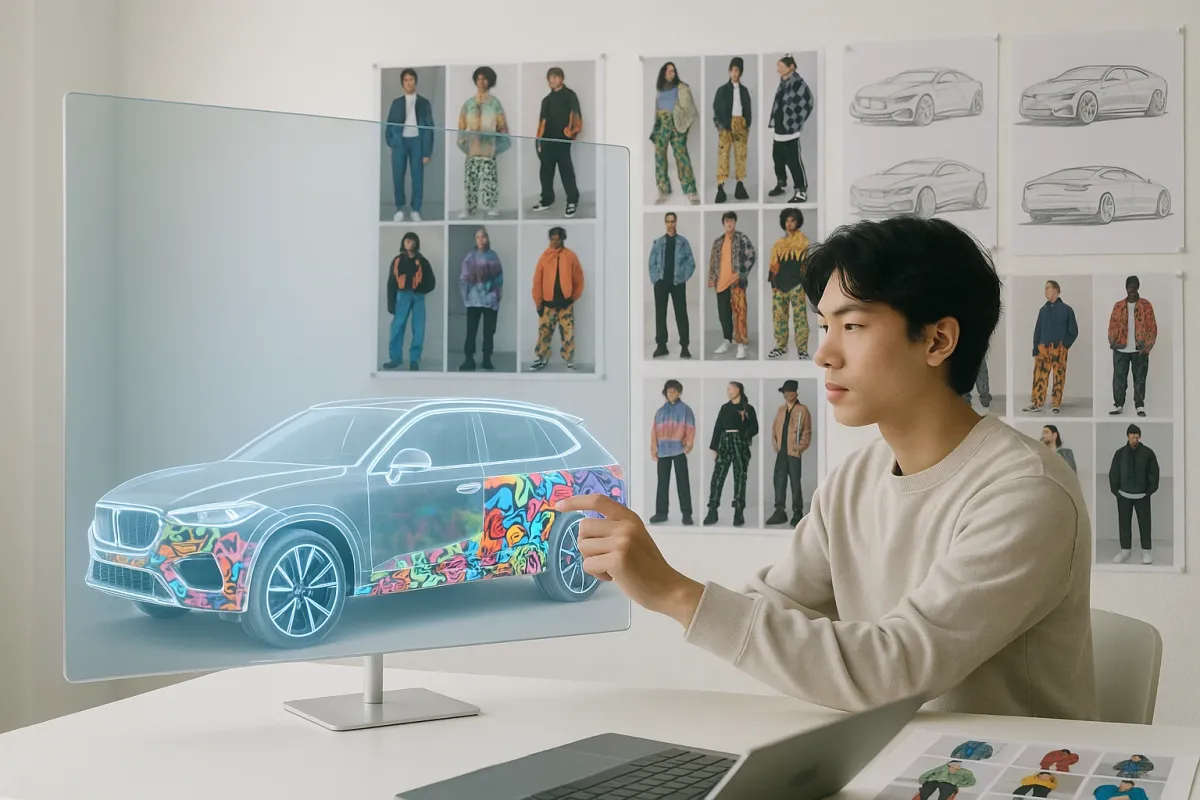
The worlds of high fashion, viral celebrity moments, and automotive design are colliding more aggressively than ever—and it’s no longer just about who shows up to an auto show. As style-driven stories dominate social feeds (from Gwendoline Christie’s headline-making “hair habitat” look at the Fashion Awards to viral “makeover” backlash around other celebrities), premium automakers are reading the room: bold design, polarizing aesthetics, and instantly shareable visual statements now translate directly into how they shape the next generation of SUVs.
For the industry, this isn’t fluff. Luxury SUV programs are increasingly benchmarked against what performs on Instagram, TikTok, and X as much as on a design clay model. From paint strategy and interior colorways to ambient lighting and trim material choices, viral style culture is becoming a hard input into product planning. Below, we unpack how this shift is reshaping the SUV landscape right now—and what it means for enthusiasts and buyers watching 2026–2028 models take shape behind the scenes.
1. From Red Carpet to Showroom: Why “Statement Design” Is Winning
The online reaction to extreme fashion—like Christie’s towering, sculpture-like hairstyle at the Fashion Awards—highlights a reality automakers already know: polarizing visuals get shared, safe visuals get ignored. In the SUV world, that logic is now explicit in design briefs, especially for flagship and performance models.
Design studios at brands like BMW, Mercedes-Benz, Lexus, and Hyundai’s Genesis division are leaning further into “hero elements”: huge illuminated grilles, split-level lighting signatures, aggressive aero blades, and ultra-dramatic DRLs that photograph well at night. These are the automotive equivalent of runway looks: they’re engineered to arrest your scroll in a feed crowded with content.
For buyers, this means the next generation of premium SUVs is less about subtlety and more about presence. Expect:
- Bolder front fascias with full-width light bars and intricate LED signatures
- Sculpted surfaces that throw strong shadows for dramatic photos and reels
- Distinctive wheel designs (often 21–24 inches) with turbine or aero-inspired patterns
- Exterior palettes that mix conservative core colors with one or two unapologetically loud hero hues
If you value understated design, this trend may push you toward specific trims—or even different brands—that still prioritize restraint. But if you crave something that looks like it drove straight off a fashion editorial, your options are about to increase significantly.
2. Color, Texture, and “Hair Moment” Interiors: How Viral Aesthetics Shape Cabin Design
The conversation around Christie’s elaborate hair—described by viewers as its own “habitat”—mirrors a growing interior trend: cabins that feel like curated, tactile environments rather than generic spaces. Automakers are watching how audiences react to bold textures, layered materials, and unconventional silhouettes in fashion and hairstyling, then translating that into SUV interiors.
We’re seeing this right now in how brands spec their highest-margin SUVs:
- Layered Materials: Mixes of open-pore wood, forged or knurled metal, technical mesh, and micro-piping on seats
- High-Contrast Color Blocking: Dark upper dash with pale lower sections, vivid accent belts, and seat inserts in contrasting hues
- 3D and “Sculpted” Surfaces: Quilted side bolsters, 3D-embossed door inserts, and wave or ripple patterns in headliners or dashboard trim
- Textile Diversity: Premium synthetic leathers, wool blends, and recycled technical fabrics replacing the old “all leather, all black” status quo
The technical side matters here: OEMs are investing in new foam densities to support more dramatic seat shapes, laser-cutting for precise patterns, and updated adhesives and stitching methods to hold complex quilting under long-term heat and UV exposure.
For buyers, it’s increasingly important to:
- Sit in multiple trims of the same SUV; the design experience can swing dramatically with different interior packages
- Pay attention to how some of these complex textures may age—especially in high-touch areas like armrests and steering wheels
- Consider whether a visually “busy” interior will still feel calm on long drives, or if you’d rather opt for a more minimal spec
3. Social-First Lighting: DRLs, Ambients, and the Battle for the Night Shot
The same way red-carpet photographers obsess over how light plays on complex hairstyles or fabrics, SUV designers are now obsessing over how their vehicles photograph in low light. Viral fashion moments trend heavily because they look surreal or theatrical under spotlights; SUVs are starting to chase a similar effect with lighting packages engineered specifically for social media.
Across the industry, you’ll see:
- Signature DRLs and Pixel Headlights: Complex LED arrays that can display welcome animations, dynamic sequences, or segmented beams (where regulations allow)
- Full-Width Light Bars: Front and rear, often with animated start-up/shutdown sequences designed to be recorded and shared
- Configurable Ambient Lighting: 30–64 color setups in luxury SUVs, dynamic themes tied to drive modes, and “theater” or “welcome” modes that create a mini light show inside
- Projector Logos and Patterns: Puddle lamps and door projection graphics that double as branding moments on your driveway
Technically, this involves advanced LED drivers, multi-channel control modules, and precise thermal management so tightly packaged LEDs don’t overheat. Software is doing more of the heavy lifting, too: OTA (over-the-air) updates can now tweak animations or introduce new lighting themes post-purchase.
For shoppers, questions to ask during a test drive:
- Does the ambient lighting feel genuinely helpful at night, or gimmicky and distracting?
- Can you easily tone it down or turn it off without diving into nested menus?
- How complex are the exterior animations—are they likely to survive future regulatory scrutiny, or could a software update tone them down?
If you love the idea of your SUV becoming a “light sculpture” at night, prioritize models with modular lighting hardware and confirmed OTA capabilities. That will give your SUV some visual shelf life as trends evolve.
4. Influencer-Led “Edition” SUVs: Where Fashion Capsules Meet Product Planning
The backlash and debates around heavily styled celebrity moments—including conservative-leaning “makeovers” and the responses from stylists defending their creative choices—highlight a key reality: personality-driven style sells, even when it divides opinion. Automakers are feeding that same energy into special edition SUVs designed to feel like capsule collections.
We’re seeing more:
- Fashion- or Lifestyle-Branded Trims: Co-branded interiors with distinctive colorways, stitching, and badging, often with curated accessory packages
- Limited-Run Exterior Palettes: One-off paint finishes or wraps aligned with seasonal trends (matte earth tones, highly saturated pastels, color-shifting metallics)
- Curated Content Packs: Manufacturer-produced photo presets, recommended framing guides, and in-car camera integrations aimed at owners who want to share their SUV online
- Influencer Design Input: Collaborations with stylists, designers, or content creators who help specify trims that feel more like personal style statements than standard configurations
On the engineering side, these editions typically leverage existing platforms but bring unique:
- Upholstery combinations and seat quilting patterns
- Trim inlays and badging sets
- Wheel and brake caliper color combos
- Software themes (custom startup screens, app skins, and lighting presets)
For buyers, this can be a double-edged sword:
- Pros: Strong resale if the edition is genuinely limited and well received; a cabin that feels special and far less common; strong brand cachet
- Cons: Risk of looking dated quickly if the style is too tied to a short-lived trend; potentially higher repair or replacement costs for unique materials and colors
If you’re tempted by such a trim, focus on those that rest on solid fundamentals—proven powertrains, established platforms—and treat the fashion alignment as a bonus, not the primary reason to buy.
5. The New Status Signal: Design Sophistication Over Raw Performance
Just as viral discussions around “extreme” looks often revolve less around the person and more around the artistic intent, the luxury SUV conversation online is drifting away from pure horsepower wars and into design literacy. Being able to talk knowingly about proportions, surfacing, lighting signatures, and interior craftsmanship is becoming its own kind of status.
Manufacturers are responding by:
- Publishing More Design Stories: Behind-the-scenes videos with design chiefs explaining surfacing lines, light signatures, and material choices
- Showcasing Design Studios: Featuring clay models and VR design walkthroughs in launch content, turning the design process into a consumer-facing narrative
- Leaning Into Heritage: Tying modern SUVs back to iconic design cues from brand history—grille shapes, side-window graphics, or tail-light motifs—because storytelling is shareable
From a technical standpoint, this is being enabled by:
- More advanced CAD surface modeling, allowing complex forms that still meet aerodynamic and pedestrian safety regulations
- Improved stamping, casting, and molding technologies that support tighter panel gaps and intricate shapes
- New materials (lightweight alloys, advanced plastics, composite panels) that can be formed into more daring geometries without structural compromise
For enthusiasts and serious shoppers, staying ahead of this curve means:
- Evaluating SUVs as design objects, not just spec sheets—look at stance, wheel-to-body ratio, overhangs, and shoulder lines
- Comparing how coherently an SUV’s front, side, and rear design work together; many “loud” designs fall apart when viewed from an angle
- Considering how visually “anchored” a design feels—does it rely on transient trends, or does it have a clear, timeless structural theme?
In the same way a polarizing couture look can age into an icon—or a meme—today’s risk-taking SUV designs will either be tomorrow’s classics or reminders of a short-lived social media era. Understanding where a vehicle sits on that spectrum can help you make a smarter long-term purchase.
Conclusion
As fashion headlines and viral style moments dominate today’s feeds, the SUV industry is taking notes—and acting on them. Statement exteriors, texture-rich interiors, social-first lighting, influencer-shaped editions, and design literacy as a new status marker are no longer side stories; they’re central to how premium SUVs are conceived and sold.
For car enthusiasts and buyers, this convergence of style culture and vehicle engineering is both an opportunity and a challenge. It offers more expressive, visually compelling SUVs than ever before, but it also demands sharper judgment about what will still look and feel right five to ten years down the road. If you approach your next SUV not just as transportation, but as a designed environment shaped by the same forces driving today’s biggest viral style moments, you’ll be better equipped to separate enduring craft from fleeting hype.
Key Takeaway
The most important thing to remember from this article is that this information can change how you think about Industry News.